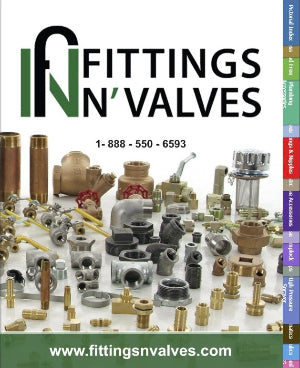

Forged steel fittings are pipe fittings that are manufactured by forging solid steel bars or billets under high heat and pressure. This forging process creates fittings with excellent strength, durability, and dimensional accuracy. Forged steel fittings are commonly used in high-pressure piping systems, such as oil and gas, petrochemical, power generation, and industrial applications.
Here are some key features and advantages of forged steel fittings:
-
Strength and Durability: Forged steel fittings are known for their exceptional strength and durability. The forging process aligns the grain structure of the steel, resulting in fittings that can withstand high pressures, temperature variations, and mechanical stress.
-
Leak Resistance: Forged steel fittings provide a reliable and leak-resistant connection. The tight grain structure and absence of seams or welds in forged fittings minimize the risk of leaks and failures, ensuring a secure system.
-
Dimensional Accuracy: Forging ensures tight dimensional tolerances, resulting in fittings with precise shapes, sizes, and threads. This accuracy facilitates proper fitment and easy installation of the fittings into the piping system.
-
High Pressure and Temperature Applications: Forged steel fittings are specifically designed to handle high-pressure and high-temperature applications. They are capable of withstanding extreme conditions and maintain their integrity even in challenging operating environments.
-
Versatility: Forged steel fittings are available in various types, including elbows, tees, couplings, unions, crosses, caps, and plugs. They are compatible with a wide range of piping materials, such as carbon steel, stainless steel, and alloy steel, making them versatile for different application requirements.
-
Resistance to Corrosion: Depending on the type of steel used, forged steel fittings can offer excellent resistance to corrosion. Stainless steel forged fittings, for example, provide superior resistance to rust, oxidation, and chemical corrosion.
-
Longevity: Due to their robust construction and resistance to wear and tear, forged steel fittings have a long service life. They can endure frequent assembly and disassembly without compromising their performance.
When using forged steel fittings, it is important to follow industry standards, guidelines, and recommended torque values for installation. Proper preparation of the pipe ends, such as beveling or facing, and appropriate thread sealing techniques are crucial for achieving leak-free connections.
It is also essential to select the correct grade and type of forged steel fitting based on the specific application requirements, including the pressure rating, temperature range, and compatibility with the conveyed fluid or gas.
Overall, forged steel fittings provide reliable, strong, and durable connections for high-pressure piping systems, making them a preferred choice in various industrial sectors.